October 12, 2026
This article explores the expanding presence of spray foam services within the U.S. housing market. From energy savings to sustainability, we will uncover the driving forces behind this growth and its implications on construction practices.
The Rising Demand for Energy Efficiency
The Role of Spray Foam in Reducing Energy Costs
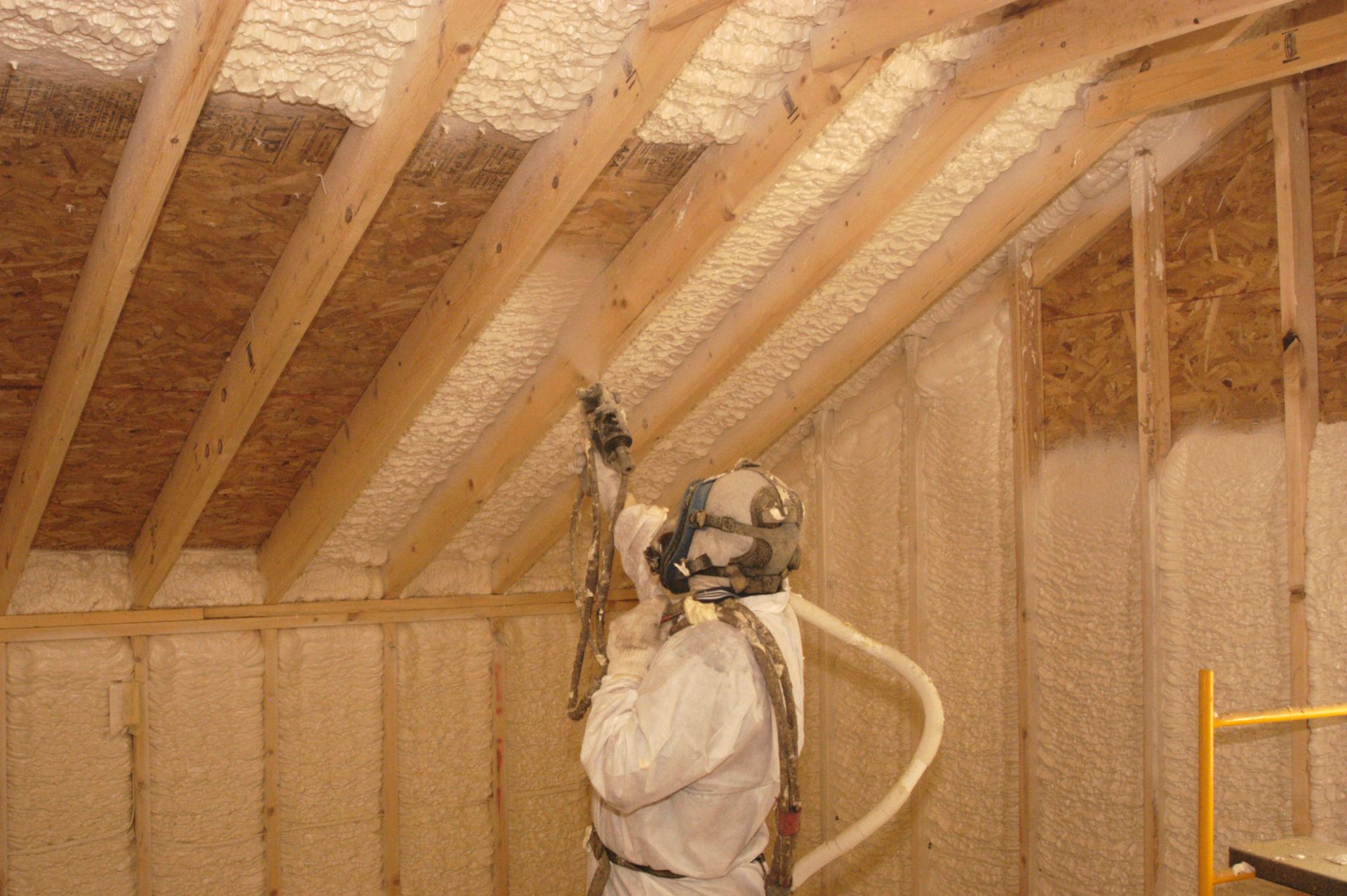
The capabilities of spray foam extend well beyond simple insulation; it plays a crucial role in reducing energy costs substantially. With heating and cooling accounting for about half of a home's energy use, effective insulation becomes essential in cutting down these expenses. Spray foam insulation reduces energy consumption by maintaining indoor temperatures and reducing the need for continuous heating or cooling. The material's expansion properties ensure every crevice is sealed, obstructing thermal bridging and air infiltration. This significantly lowers the amount of energy required to maintain comfortable living environments, translating into cost savings for homeowners.
According to Fortune Business Insights, the global polyurethane spray foam market is estimated to grow by over $2 billion in the next decade, indicating a heightened demand for effective insulation solutions. This growth is reflective of an increasing preference for materials that provide optimal insulation and long-term financial benefits. In a landscape where energy costs continue to rise, spray foam provides a compelling solution for households seeking cost-effective and energy-efficient building components. By reducing energy usage, spray foam helps homeowners save on utility bills, which is an enticing benefit as more individuals aim to maximize their living efficiency.
Spray foam's contribution to lower energy costs is not only financial but also environmental. By minimizing the energy required for heating and cooling, spray foam reduces the carbon footprint associated with home energy use. This stands as a significant factor as consumers become more environmentally conscious. Every percentage reduction in energy consumption contributes to a global effort to mitigate climate change impacts. Therefore, adopting spray foam insulation aligns with both economic and eco-friendly objectives, marking it as a strategic and sustainable choice for residential construction.
Consumer Awareness and Preferences
Heightened consumer awareness regarding the benefits of energy efficiency has been a powerful driver for the adoption of spray foam insulation in the housing market. As individuals become more informed about the environmental and economic advantages of efficient insulation, there is a surge in demand for superior insulation solutions such as spray foam. Marketing strategies that highlight the immediate and prolonged savings achieved through energy-efficient homes have captivated consumer interest. Consequently, more homeowners are opting for spray foam, viewing it as a long-term investment in both their property and the environment.
Consumer preferences have shifted towards materials that promise durability and sustainability, wherein spray foam fulfills both these criteria effectively. Unlike traditional insulation forms, spray foam does not settle or deteriorate over time, providing consistent performance and energy savings. This reliability appeals to homeowners seeking minimal maintenance and maximum lifespan from their building materials. As the housing market becomes more competitive, the promise of energy cost savings and enhanced comfort gives spray foam an edge, influencing consumer choices significantly.
The growing trend towards sustainability has also heightened consumer demand for spray foam, as environmentally sustainable practices are now a benchmark in consumer decision-making. The rise of green certifications serves as attestations of a home's environmental performance, and spray foam's contribution to achieving these benchmarks is significant. Increasingly, homeowners not only seek energy-efficient solutions but also desire transparency regarding the origin and environmental impact of building materials. Spray foam insulation, with its energy-saving capacity and potential for reducing carbon footprints, satisfies these consumer expectations, nurturing its growth within the market.
Cost-Benefit Analysis for Homeowners
Conducting a cost-benefit analysis is crucial for homeowners considering spray foam insulation. The initial investment in spray foam can be higher compared to traditional insulation materials. However, this cost must be weighed against the substantial savings in energy bills over the lifespan of the home. Homeowners find that the return on investment in spray foam is significant due to its superior insulating properties that lead to lower utility bills. Within a few years, the savings on heating and cooling expenses often surpass the initial costs, making spray foam a financially sound choice in the long run.
The long-term benefits of spray foam insulation extend beyond cost savings, as it also enhances the overall property value. An energy-efficient home is an attractive option in the real estate market because it promises lower operating costs and aligns with modern sustainability trends. This increased valuation provides an additional incentive for homeowners to invest in spray foam. Investing in high-performance insulation not only fulfills immediate energy-saving goals but also serves as a beneficial asset should the homeowner decide to sell their property in the future.
A cost-benefit analysis should also include consideration of the reduced maintenance and longevity that spray foam provides. Traditional insulation requires periodic replacement and carries performance risks such as settling or mold susceptibility. Spray foam, by contrast, offers a mold-resistant, durable, and long-lasting solution with minimal maintenance. These attributes not only contribute to sustained energy efficiency but also prolong the lifespan of the home's overall structure, offering additional peace of mind to homeowners concerned with long-term reliability.
The Impact of Environmental Concerns
Spray Foam as a Sustainable Building Material
The sustainability of building materials is a critical consideration in modern construction. Known for its ability to seal tightly and effectively, spray foam greatly reduces the energy required to maintain indoor environments, thereby promoting sustainability. Its superior insulating properties prevent air leaks, thus enhancing energy efficiency and contributing to reduced energy use. When applied correctly, spray foam can drastically diminish the reliance on non-renewable energy sources, aligning with sustainable construction practices.
Spray foam is not only sustainable in function but also in its composition. Manufacturers have innovated the formulation of spray foam to include renewable resources, reducing its environmental impact. These developments, such as partial soy-based formulations, contribute to the growing preference for eco-friendly building materials. The ability to combine performance with environmental responsibility makes spray foam a valuable asset for green builders. This consistently evolving synergy between sustainability and technology continues to encourage the growth of spray foam in the construction industry.
The Shift Towards Net-Zero Homes
The concept of net-zero homes, which produce as much energy as they consume, has emerged as a compelling goal in the architectural landscape. This shift represents a significant move towards more sustainable and energy-efficient living spaces, with spray foam insulation facilitating this transformation. Spray foam's airtight properties enable more precise control over a home's energy usage, which is vital in achieving net-zero status. By minimizing heat loss and air infiltration, spray foam plays an essential role in optimizing a home's energy balance.
Net-zero homes appeal to environmentally conscious consumers and savvy investors alike, pushing the adoption of high-performance materials like spray foam. They epitomize the fusion of sustainability and innovation, making the selection of effective insulating materials critical. Spray foam's superior thermal resistance allows for reduced energy consumption, aligning well with the requirements of these self-sufficient structures. As the demand for net-zero homes increases, the inclusion of spray foam becomes increasingly standard, further reinforcing its importance in future-proofing residential buildings.
This trend towards net-zero homes reflects a broader societal goal of reducing dependency on fossil fuels. Through its exceptional insulating capabilities, spray foam aids in decreasing reliance on external energy sources. In doing so, it represents a tangible step towards carbon neutrality, manifesting the principles of net-zero living. Consequently, this push towards energy-efficient homes fuels the demand for spray foam, establishing it as a cornerstone in the shift towards sustainable architecture and the future of housing.
The usefulness of spray foam insulation is underscored by its ability to contribute to a home's overall energy strategy. Homeowners concerned with sustainability are increasingly drawn to spray foam, as it aligns with their values and long-term goals. If you're looking for
spray foam services, reach out to Selby Insulation today!