August 12, 2026
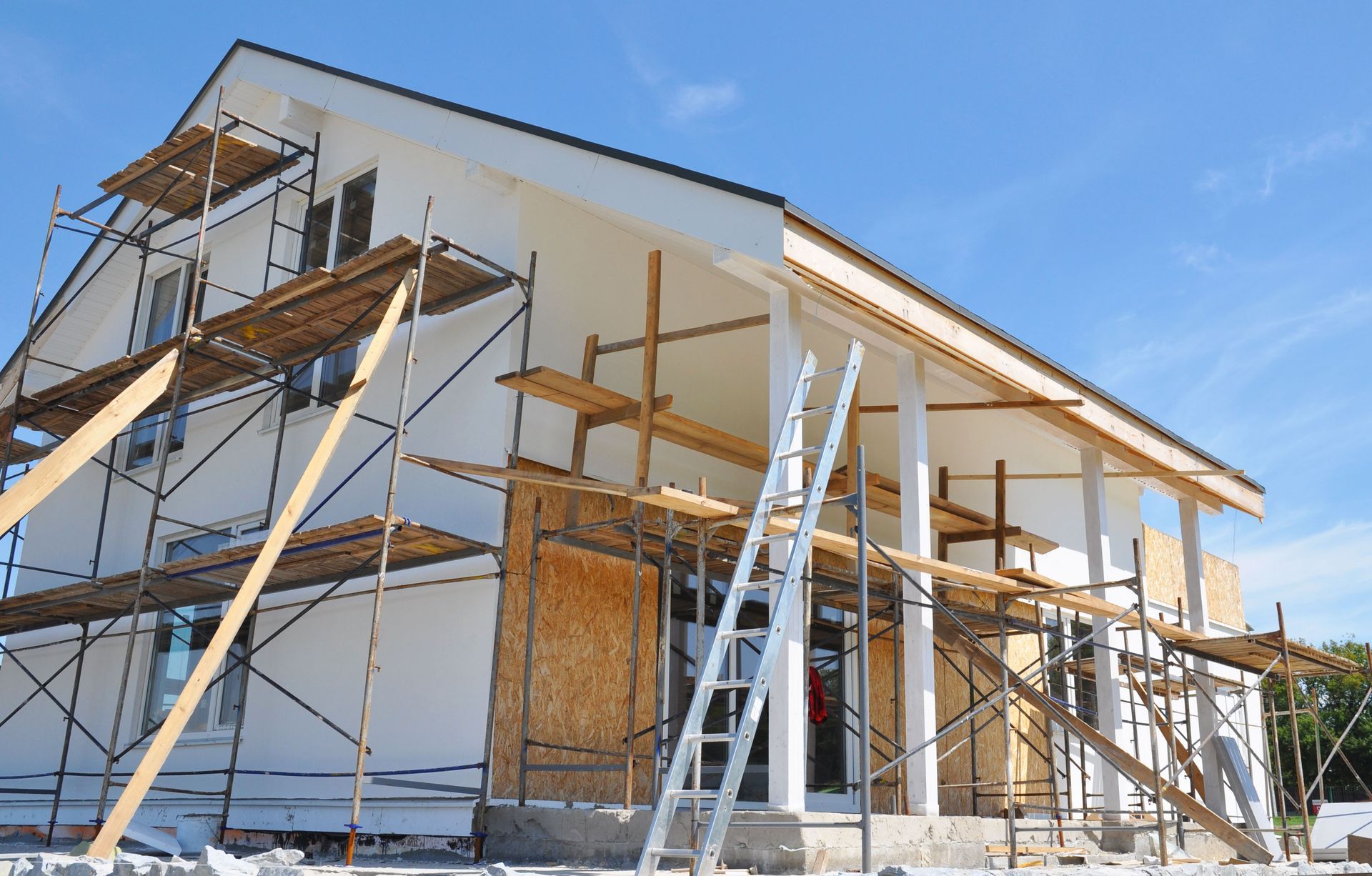
Construction growth creates opportunities far beyond the companies that frame buildings, pour foundations, or install roofing. Every new home, office, warehouse, school, and industrial facility also needs materials and services that improve comfort, efficiency, and durability. Insulation is central to those goals, making skilled professionals increasingly valuable as development expands. A stronger market can generate more projects, encourage the use of advanced materials, and support long-term partnerships with builders and developers. It can also help insulation businesses broaden their capabilities and strengthen their operations. The following sections explain how sustained construction activity can create meaningful advantages throughout the insulation industry.
Expanding Opportunities Across New Construction
Supporting Residential Development
A growing construction market creates steady demand for energy-efficient homes, and that demand directly increases the need for qualified insulation professionals. As builders develop new neighborhoods, multifamily communities, and custom residences, insulation becomes a core part of every project rather than an optional upgrade. Proper insulation supports indoor comfort, reduces energy loss, and helps new homes meet current performance expectations. For contractors, this means more chances to build lasting relationships with builders, developers, and general contractors who need dependable insulation services throughout each phase of residential growth.
Strengthening Commercial Projects
Commercial construction also creates valuable opportunities. Offices, retail centers, schools, medical facilities, and warehouses all require insulation systems designed for their size, use, and performance goals. As these projects increase, professionals who understand different materials and building requirements become more important. Contractors can contribute to projects that require consistent temperature control, sound reduction, and long-term efficiency.
Serving Industrial Facilities
Industrial development adds another layer of demand. Manufacturing plants, distribution centers, processing facilities, and large storage buildings often need specialized insulation to manage heat, moisture, and energy use. These projects may involve complex building systems and larger installation areas. Experienced insulation contractors can benefit by offering dependable service for projects where performance, scheduling, and coordination are especially important.
Entering Developing Markets
Population growth and business expansion often lead to construction in new geographic areas. Contractors that establish relationships in these markets can benefit as communities add housing, services, and commercial space. Early involvement can create repeat opportunities as development continues.
Increasing Demand for Energy Efficiency
Meeting Higher Performance Expectations
Property owners increasingly expect new buildings to provide better comfort and lower energy use. Insulation plays a major role in meeting those expectations because it helps limit unwanted heat transfer. As builders compete to offer efficient properties, they often rely on insulation contractors to recommend appropriate solutions and complete installations that support the overall building design.
Responding to Updated Building Standards
Construction standards continue to place greater emphasis on energy performance. New projects may need insulation levels and air-sealing strategies that align with updated codes or project specifications. Professional contractors help builders navigate these requirements by providing accurate estimates, suitable materials, and reliable workmanship.
Improving Indoor Comfort
Energy efficiency is not only about reducing utility use. It also affects comfort from room to room. Well-insulated buildings can maintain more consistent temperatures and reduce drafts. That benefit is valuable in homes, offices, schools, and industrial spaces. Contractors who clearly communicate these comfort advantages can become trusted partners during planning and construction.
Supporting Long-Term Value
Buildings designed for efficiency may be more attractive to buyers, tenants, and investors. Quality insulation supports that value by contributing to lower operating demands and better indoor conditions. This gives contractors a meaningful role in projects focused on long-term performance.
Expanding the Use of Advanced Materials
Adopting Spray Foam Solutions
Market growth often encourages builders to consider materials that offer multiple performance benefits. Spray foam can provide insulation and air-sealing support in areas where controlling air movement is important. According to Fortune Business Insights, the polyurethane spray foam market is expected to expand at a 6.6% compound annual growth rate from 2026 through 2034 as residential, commercial, and industrial construction demand increases.
Offering Material Flexibility
Different buildings require different insulation approaches. Fiberglass, cellulose, rigid foam, and spray foam may each be appropriate depending on the structure, budget, and project goals. Contractors who understand multiple products can serve a wider range of customers and adapt to changing construction preferences.
Addressing Complex Building Designs
Modern architecture can include vaulted ceilings, irregular framing, large mechanical spaces, and other areas that require careful insulation planning. Knowledge of advanced materials allows professionals to address these challenges without compromising the design. That expertise can make a contractor more valuable to builders working on distinctive or high-performance properties.
Staying Competitive Through Training
As materials and application methods evolve, training becomes an important business advantage. Teams that stay current with product requirements, safety practices, and installation standards can complete work more confidently. Ongoing education also helps insulation contractors explain material choices clearly to builders and property owners.
Building Stronger Professional Partnerships
Coordinating With General Contractors
Construction growth creates more opportunities to work with general contractors who manage multiple projects. Reliable scheduling, clear communication, and consistent results can lead to repeat work. Insulation professionals who understand project timelines and coordinate well with other trades are more likely to become preferred partners.
Collaborating With Builders
Builders value subcontractors who can provide accurate proposals and complete work without disrupting the larger schedule. Strong collaboration allows insulation contractors to identify project needs early, prepare for material requirements, and address concerns before installation begins. This can improve efficiency for everyone involved.
Supporting Architects and Designers
Some projects involve detailed performance goals established during design. Contractors can contribute practical insight about insulation materials, access points, and installation conditions. Early communication can help the design team choose realistic solutions that support the intended building performance.
Developing Repeat Business
One successful project can lead to many others. Developers and builders often prefer to continue working with dependable subcontractors. By maintaining quality and professionalism, insulation companies can turn construction growth into a reliable pipeline of future projects.
Creating More Stable Business Growth
Diversifying Project Types
A strong construction market allows contractors to pursue residential, commercial, industrial, and institutional work. This variety can help balance seasonal changes or slowdowns in one category. A diversified project portfolio gives insulation businesses more ways to maintain revenue and keep crews active.
Expanding Workforce Capacity
When project demand increases, companies may be able to hire and train additional team members. A larger skilled workforce allows insulation contractors to manage more projects while maintaining service quality. Workforce development can also create advancement opportunities for experienced employees who move into leadership or specialized roles.
Investing in Better Equipment
Consistent demand can support investments in equipment, vehicles, estimating tools, and job-management systems. These resources may improve productivity, accuracy, and communication. Better equipment can also help crews complete large or technically demanding projects more efficiently.
Improving Operational Planning
A larger project pipeline gives businesses more information for scheduling, purchasing, and staffing decisions. Careful planning can reduce downtime and help materials arrive when needed. Contractors that strengthen their operations during periods of growth may be better prepared for future market changes.
Strengthening the Value of Professional Expertise
Delivering Consistent Installation Quality
As construction activity rises, builders need qualified professionals who can provide dependable results across many job sites. Consistent installation quality helps insulation perform as intended and supports the overall success of the building. Experienced insulation contractors understand how material selection, coverage, and coordination affect performance.
Reducing Project Complications
Professional involvement can help prevent gaps, delays, material problems, and scheduling conflicts. Contractors who review project details and communicate concerns early can reduce the risk of costly corrections. This reliability is especially valuable when builders are managing several active projects at once.
Providing Clear Recommendations
Customers may not know which insulation product best fits a specific building. Professionals can explain the differences in materials and recommend options based on the project’s goals. Clear guidance helps builders and owners make informed decisions without receiving unnecessary technical instruction.
Supporting Lasting Building Performance
The benefits of insulation continue long after construction is complete. Quality work supports comfort, efficiency, moisture management, and building durability. As the construction market expands, the professionals who deliver these results remain essential to successful development.
A growing construction market gives insulation businesses opportunities to expand their services, strengthen industry relationships, and contribute to more efficient buildings. By working with experienced professionals, builders and property owners can choose solutions that support comfort and long-term performance. Contact Selby Insulation today to discuss insulation needs for an upcoming residential, commercial, or industrial project.