October 12, 2026
Maintaining a comfortable indoor climate while managing rising monthly energy costs remains a primary operational challenge for homeowners today. Modern residential properties rely heavily on a well-sealed thermal envelope to minimize uncontrolled heat transfer between interior living areas and the exterior environment. When building boundaries are underpowered, unsealed, or improperly insulated, heating and cooling systems must operate continuously to maintain target thermostat temperatures. This constant mechanical strain leads to accelerated equipment wear, frequent maintenance calls, and inflated utility charges throughout the year. Understanding how thermal dynamics impact household energy consumption is the first step toward transforming an inefficient house into a cost-effective, high-performing home. A significant portion of conditioned air escapes through upper ceiling structures when resistance levels fail to meet modern building standards.
Engaging professional attic insulation companies provides an effective, reliable path toward stabilizing indoor temperatures and curbing systemic energy waste across every season. Qualified insulation technicians possess the diagnostic tools required to conduct comprehensive assessments of existing material depth, detect hidden air leaks, and measure air exchange rates. They analyze complex architectural layouts to recommend targeted thermal upgrades that optimize overall building envelope performance and optimize airflow management. Through precise, industry-standard application techniques, professional installation ensures sustained energy savings while creating a balanced, environmentally responsible, and consistently comfortable home environment.
Upgrading Thermal Barriers Across Spaces and Complex Layouts
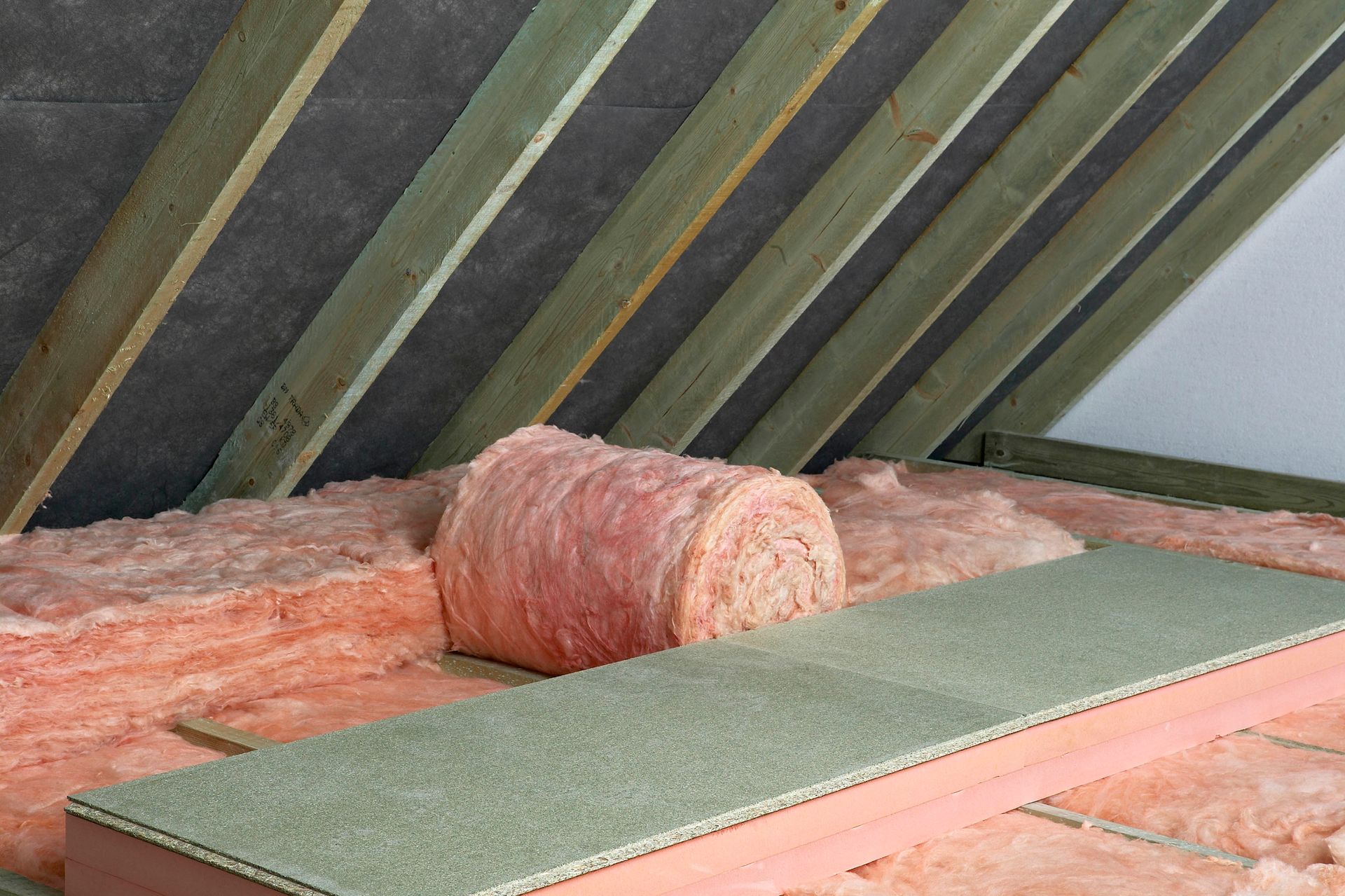
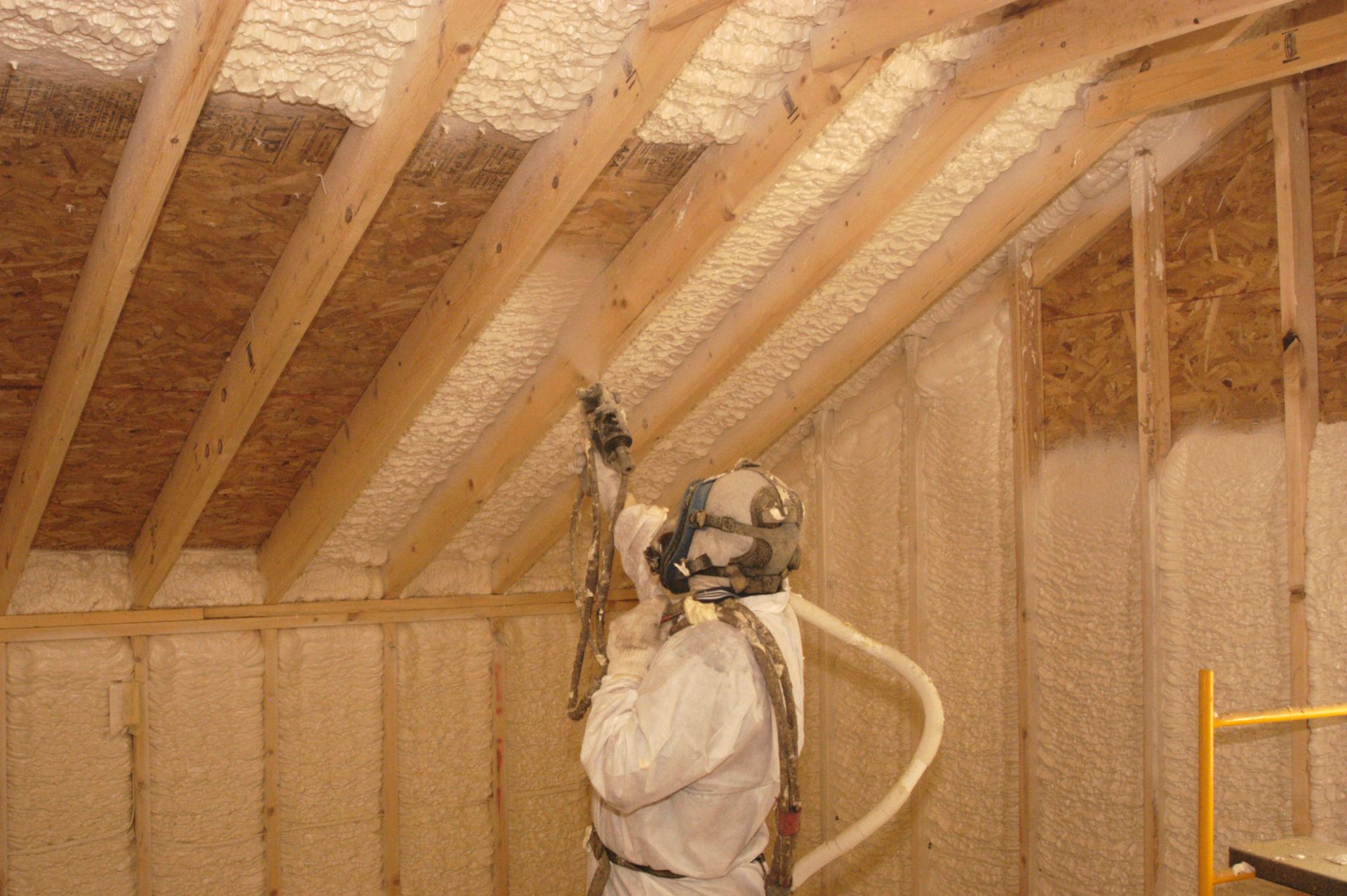
Addressing thermal deficiencies within a residential property requires selecting specific materials engineered for individual architectural designs and local climatic conditions. High-performing insulation options, including dense-pack blown cellulose, closed-cell spray foam, and high-density fiberglass batts, offer unique performance advantages regarding thermal resistance and airflow regulation. Selecting the proper material ensures maximum resistance to heat conduction, preventing warm conditioned air from escaping during cold winter months while blocking severe external solar radiation during intense summer heatwaves. Each material type exhibits distinct physical characteristics that make it suitable for specific areas within the attic space, such as joist cavities, knee walls, vertical access hatches, and exterior soffit edges.
Collaborating with attic insulation companies guarantees that complex structural challenges, such as tight soffits, uninsulated knee walls, recessed lighting fixtures, and irregular rooflines, are retrofitted with absolute technical precision. Skilled insulation technicians utilize specialized pneumatic blowers and high-pressure spray equipment to achieve completely uniform coverage without leaving gaps, air channels, or voids that compromise overall thermal performance. Furthermore, these specialists pay meticulous attention to proper attic ventilation, ensuring that soffit vents remain unobstructed through the installation of durable vent baffles. Maintaining clear airflow pathways along the underside of the roof deck prevents moisture accumulation, reduces the risk of destructive ice dams in cold weather, and protects structural framing timbers from rot.
Analyzing Long-Term Savings Potential and Real Financial Value
Quantifying the total financial advantages of systematic building upgrades involves evaluating original installation investments against multi-year utility cost reductions. While initial costs might seem high, the reduction in heating and cooling expenses often pays off these investments over time. According to Research and Markets, the floors, walls, and ceilings application segment is expected to grow by approximately $113 million through 2030, reflecting continued homeowner investment in insulation upgrades, including attics. This growth underscores the recognized value and anticipated return on investment for insulation improvements. Homeowners who prioritize high-performance building upgrades reap the immediate reward of reduced monthly bills while shielding themselves against future utility rate hikes. Over the lifespan of a residential building, these cumulative utility savings accumulate significantly, easily exceeding the upfront cost of the professional retrofit.
To ensure property owners achieve maximum return on investment, attic insulation companies provide detailed initial energy assessments that isolate major pathways of heat loss and prioritize high-impact structural solutions. Beyond direct, ongoing utility bill reductions, high-efficiency thermal improvements frequently qualify residential properties for municipal energy efficiency rebates and prestigious green building certifications, increasing overall resale market valuation. Prospective homebuyers increasingly seek energy-efficient properties that feature lower operating costs and demonstrated thermal performance. Investing in structural energy efficiency transforms routine home maintenance expenses into durable, value-generating assets that protect building equity for decades.
Navigating Incentives and Utility Rebates for Maximum Return
Federal, state, and local government organizations regularly establish financial incentive programs designed to encourage residential property owners to invest in high-efficiency upgrades. These initiatives often offer substantial direct tax credits, municipal grant opportunities, or specialized utility rebate programs aimed at reducing overall regional power grid demand during peak usage periods. Taking full advantage of these available financial opportunities allows property owners to offset initial contractor labor and material expenses while modernizing their building envelope. These financial mechanisms effectively lower the barrier to entry for homeowners seeking top-grade insulation products and comprehensive air sealing services. By combining federal tax incentives with local utility rebates, property owners can recoup a substantial percentage of their total project expenditure almost immediately.
Working alongside experienced attic insulation companies simplifies the entire administrative process of identifying, applying for, and claiming qualifying financial rebates. Established insulation contractors stay current with evolving local building codes, state regulations, and utility efficiency criteria, ensuring every material installed meets or exceeds mandated R-value specifications. They assist homeowners in compiling necessary documentation, including detailed material data sheets, contractor invoices, and pre-installation energy audit reports required by rebate program administrators. Capitalizing on these lucrative incentive programs significantly reduces project payback periods, making high-performance thermal insulation upgrades accessible and financially advantageous for budget-conscious homeowners. This administrative support ensures that property owners maximize their available savings without navigating complex regulatory frameworks on their own.
Selecting Qualified Industry Professionals to Ensure Superior Results
Choosing a properly licensed, fully insured, and highly experienced contractor is essential for securing durable, high-quality thermal performance for your home. Thoroughly researching contractor credentials, verifying industry certifications, and reviewing verified customer testimonials helps guarantee that the chosen business adheres to rigorous professional standards. Detailed written project proposals should clearly outline exact material specifications, calculated R-value coverage depth, realistic project completion timelines, and clear labor warranties to prevent unexpected delays or hidden costs. Evaluating multiple quotes allows property owners to gauge market rates, compare material quality, and evaluate the professionalism of potential installation teams.
Reputable
attic insulation companies deliver clear estimates and transparent guidance throughout every phase of the planning, removal, and installation process. Establishing open lines of communication with a certified insulation contractor ensures that all installation methods strictly comply with modern regional building codes and safety regulations. Professional contractors take care to protect living areas during installation, utilizing dust barriers, drop cloths, and negative air pressure machines when removing old or contaminated insulation. Furthermore, reliable professionals conduct thorough quality control checks following installation to verify proper material depth and complete air sealing execution. Diligent contractor selection ultimately protects your physical property investment, prevents common material installation errors, and secures maximum achievable efficiency gains for your home for years to come.
Transforming Your Home Energy Envelope with Expert Assistance
Upgrading your home thermal envelope stands as one of the most effective strategies for permanently lowering monthly energy bills and elevating year-round interior comfort. Strategic material installation mitigates destructive heat transfer, eliminates severe room-to-room temperature variations, and directly supports broader environmental sustainability goals by reducing residential carbon emissions. Proper air sealing and thermal barrier upgrades also improve overall indoor air quality by preventing outdoor pollutants, allergens, and humidity from entering living spaces through attic bypasses.
Taking decisive action today allows homeowners to unlock immediate utility cost savings while enjoying superior indoor living conditions. Contact Selby Insulation to schedule a comprehensive residential energy audit and discover customized insulation solutions tailored specifically to your building layout. Our team of dedicated specialists possesses the experience, advanced equipment, and industry expertise required to transform your home energy performance. Let our experienced team of certified professionals enhance your building performance, safeguard your financial investment, and deliver lasting energy efficiency for your home.