November 12, 2026
Have you ever walked from a perfectly comfortable living room into a freezing bedroom? This common household annoyance leaves many homeowners scratching their heads and constantly reaching for the thermostat. Experiencing drastic temperature differences from space to space is not just physically uncomfortable; it also points to underlying efficiency issues hidden within the structural envelope of the home. When conditioned air fails to distribute evenly, your central heating and cooling system works overtime, driving up monthly utility bills without resolving the stubborn hot or cold spots. Achieving a beautifully balanced indoor climate requires investigating the root causes of these temperature discrepancies. Rather than running potentially dangerous portable space heaters, addressing the structural and mechanical elements of the house provides a permanent, energy-efficient solution. From exterior air leaks and compromised ductwork to inadequate thermal barriers, various hidden factors disrupt your internal climate control. By understanding what causes these frustrating indoor variations, you can take meaningful, proactive steps toward achieving consistent, year-round comfort in every single space.
Understanding Inadequate Wall and Attic Insulation
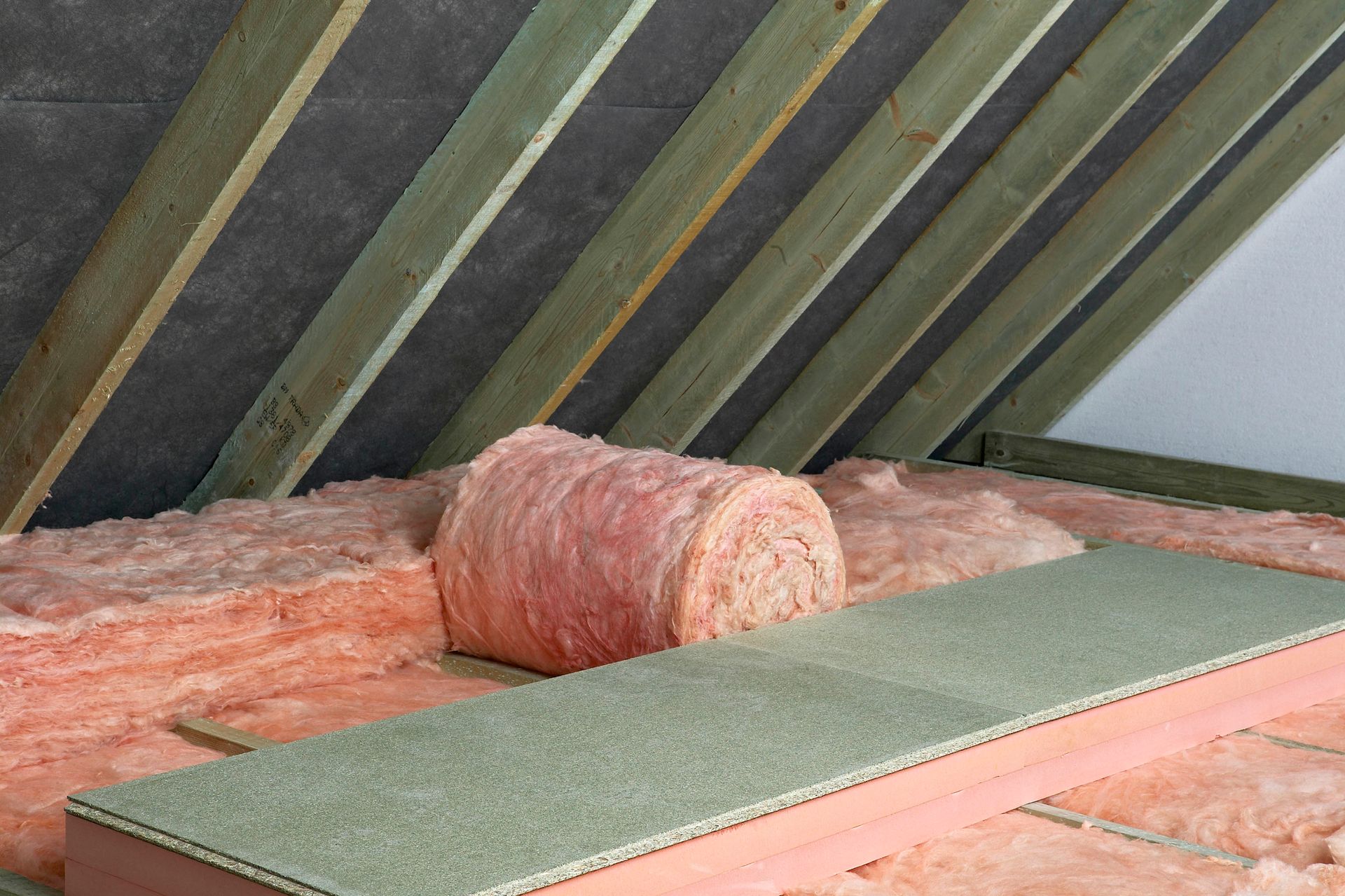
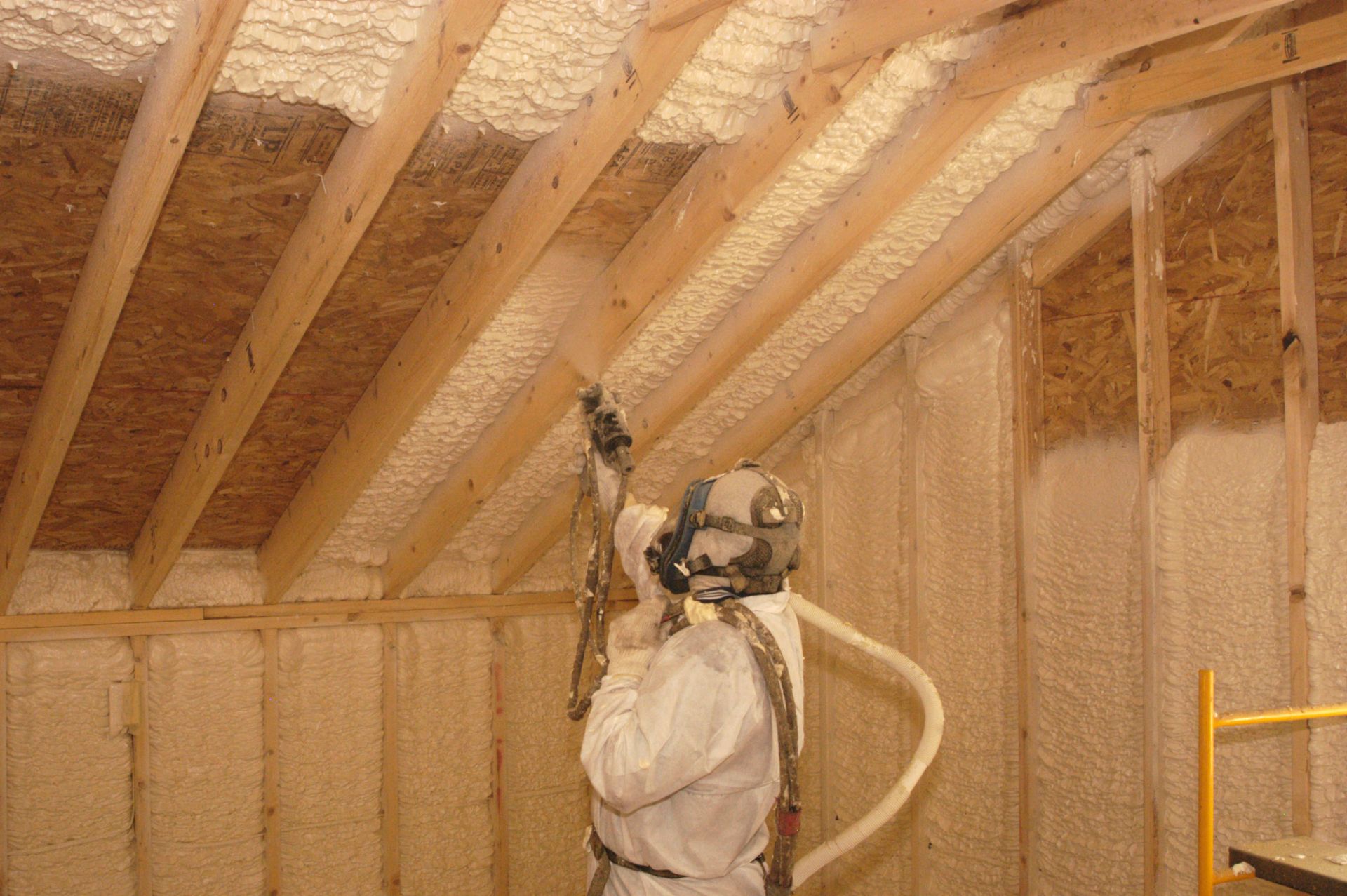
A primary reason some areas feel dramatically colder or warmer than the rest of the house stems from a lack of proper thermal barriers. According to Energy One America, 90% of homes in the U.S. are under-insulated. When a house lacks sufficient thermal protection, the external weather easily penetrates the living spaces. Rooms located on the top floor or those with broad exterior-facing walls suffer the most when materials degrade, settle, or are never installed correctly. Without a robust thermal barrier, heated indoor air escapes during winter months, and oppressive humidity infiltrates during summer. Upgrading your thermal boundary is absolutely critical for maintaining steady temperatures. Applying spray foam insulation creates an airtight seal that prevents this unwanted heat transfer entirely. This helps to keep the room steady. Because it actively expands to fill every tiny crack and crevice, spray foam insulation stops outside air from dictating your indoor comfort. Upgrading your thermal protection ensures that conditioned air remains exactly where it belongs.
Identifying Leaky Ductwork and Airflow Blockages
Your central heating and cooling system relies on a complex network of branching ducts to deliver conditioned air throughout the residence. If this delivery system contains leaks, tears, or loose metal connections, the air never reaches its intended destination. Rooms located at the very end of a damaged duct line naturally receive substantially less airflow, resulting in frustrating temperature drops or spikes. Furthermore, unsealed ducts in unconditioned spaces, such as dark crawlspaces or unfinished basements, lose significant amounts of thermal energy before air enters the living area. Physical blockages also restrict proper airflow. Heavy furniture placed directly over floor vents, thoroughly clogged air filters, or accidentally closed dampers prevent the system from operating effectively. Ensuring your ductwork remains sealed and unobstructed allows the system to push air evenly. Sometimes, homeowners choose to seal the surrounding exterior walls of their utility spaces using spray foam insulation to prevent ambient energy loss and protect the ductwork.
Evaluating Room Orientation and Sun Exposure
The physical position and architectural orientation of a room heavily influence its ambient temperature due to continuous solar heat gain. Spaces featuring large windows facing the sun receive intense radiant heat throughout the afternoon, making them noticeably warmer than heavily shaded areas of the house. Conversely, rooms facing away from the sun often feel distinctly chilly, especially during colder months, because they never benefit from natural solar warming. This uneven distribution of natural light creates an unbalanced indoor climate that your heating and cooling unit constantly struggles to regulate. Shading strategies, such as planting broad leafy trees or installing thick blackout curtains, help mitigate excessive heat gain. However, vastly improving the building envelope remains the most effective defense against solar temperature fluctuations. By reinforcing the exterior walls with superior materials like spray foam insulation, you significantly reduce the amount of radiant heat that transfers inward. This advanced barrier reflects harsh outdoor conditions, keeping sun-facing rooms comfortable.
Assessing Distance From the HVAC Unit
The physical location of your central equipment plays a massive, often underestimated role in how effectively air reaches different parts of the house. Rooms situated far away from the main internal blower motor receive much less conditioned air than spaces located directly next to the mechanical equipment. As forced air travels through lengthy duct runs, it slowly loses momentum and vital thermal energy. By the time the air finally arrives at the furthest guest bedroom, it lacks the volume needed to properly alter the climate of that space. This persistent distance challenge frequently results in a stagnant, highly uncomfortable environment in remote areas of the residence. Modifying the existing ductwork or adding inline booster fans can assist in pushing air over longer distances. Additionally, extensively fortifying the outer walls of these distant rooms ensures that whatever conditioned air does arrive is preserved. Using spray foam insulation in these remote exterior walls traps the air effectively, maximizing system efficiency.
Recognizing Drafty Windows and Exterior Doors
Even with a robust central heating and cooling system, spaces featuring aging windows and warped exterior doors will perpetually struggle with basic temperature control. Over time, the protective seals around window frames and door jambs deteriorate, creating subtle gaps where outdoor air freely enters the home. These invisible drafts make the immediate vicinity feel significantly colder or hotter than the wall thermostat setting indicates. A room plagued with multiple drafty windows essentially acts as a residential wind tunnel, bleeding valuable energy and compromising your daily comfort. Upgrading to heavy weather-resistant windows or replacing worn weatherstripping offers a noticeable improvement. It is equally important to completely seal the hidden structural gaps located between the window frame and the wall studs. While traditional fiberglass batting leaves hidden voids, applying spray foam insulation around these rough framing openings creates a permanent barrier against relentless drafts. By completely blocking the movement of air, you eliminate localized drafts.
Addressing Spaces Above Unconditioned Areas
Rooms positioned directly above unheated or completely uncooled areas face unique challenges when maintaining a stable, pleasant temperature. Bonus rooms built over garages, bedrooms situated above drafty dirt crawlspaces, and main living spaces resting over unfinished basements constantly battle extreme temperatures radiating upward. Floors in these specific rooms often feel freezing to the touch during winter and strangely radiate unwanted heat during summer. Because the space underneath lacks climate control, the floor assembly acts as a massive thermal bridge, drawing precious energy straight out of your living areas. Insulating the wooden floor joists separating these two distinct zones is imperative for achieving lasting thermal balance. Traditional materials frequently sag or fail to provide an unbroken barrier in these gravity-prone locations. However, utilizing spray foam insulation underneath these rooms adheres directly to the subfloor, creating a solid boundary that stops heat transfer. Securing this boundary transforms notoriously uncomfortable spaces into extremely pleasant areas.
Achieving a perfectly balanced indoor climate requires looking beyond the thermostat and examining the structural integrity of your entire home. Uncomfortable temperature variations rarely happen by accident; they are almost always the direct result of hidden air leaks, compromised ductwork, poor architectural orientation, or severely degraded thermal barriers. By identifying the unique weaknesses within your home's exterior envelope, you can make targeted improvements that significantly boost overall energy efficiency. Sealing structural gaps, addressing vulnerable floor joists, and upgrading your primary thermal boundary will instantly eliminate those stubborn hot and cold spots that make certain rooms feel uninhabitable. Regaining control over your indoor environment ensures that every single room remains perfectly pleasant, no matter how extreme the weather gets outside. If you are tired of avoiding certain freezing or sweltering rooms in your house, professional assistance can help you pinpoint the exact source of your discomfort. Call Selby Insulation today to learn more about our comprehensive efficiency solutions and start enjoying true, whole-home comfort.